Selecting the perfect embroidery design is crucial for effective branding. From logo size and placement to thread colors and fabric selection, every detail impacts the final look. Learn key tips on choosing the right embroidery design to ensure a polished, professional, and high-quality result.
Essential Factors to Consider When Designing Custom Embroidery for Your Brand
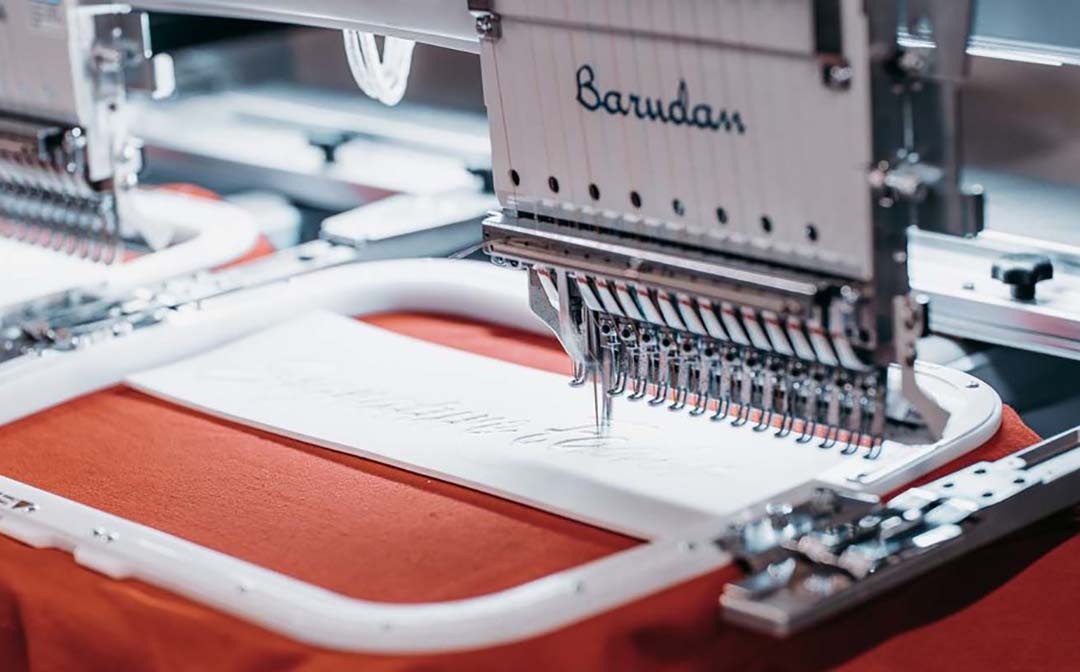
Creating the perfect embroidery design requires more than just uploading a logo. Businesses must consider placement, fabric type, color selection, stitch type, and logo size to achieve a high-quality, professional finish. Whether you’re ordering embroidered polo shirts, caps, tote bags, or promotional merchandise, these factors will play a crucial role in ensuring the final product looks polished, durable, and aligned with your brand identity.
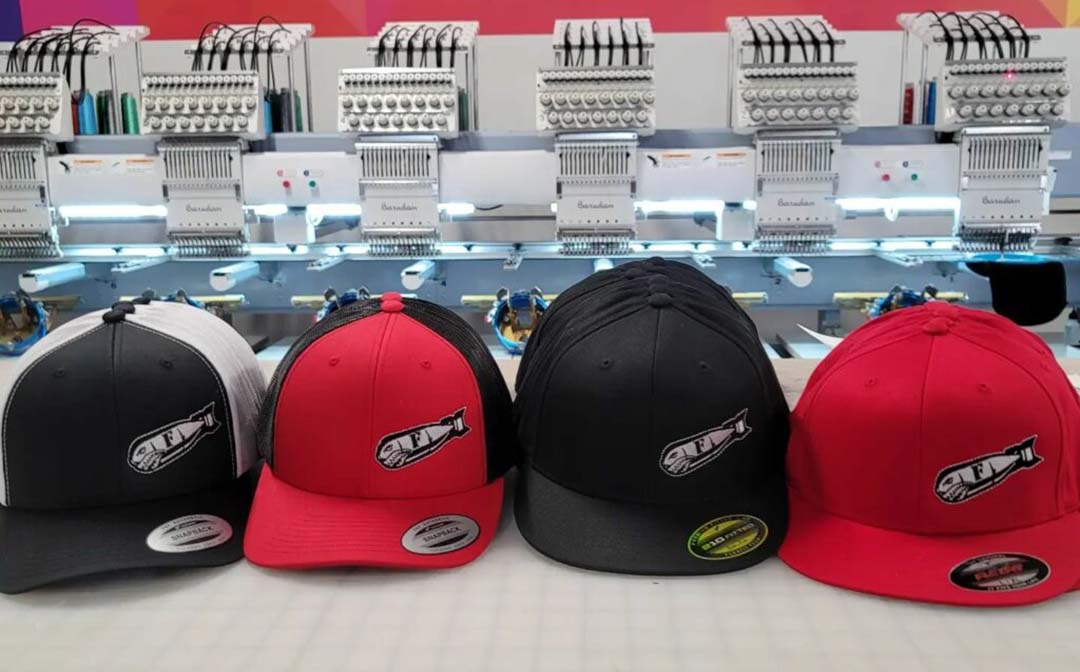
One of the first things to consider is logo size and placement. The size of your embroidery should balance visibility with aesthetics—too large, and it may look overwhelming; too small, and the details might not be noticeable. Common placement options for embroidered logos on apparel include the left chest, sleeve, and back of the neck, while hats, tote bags, and accessories typically feature centered or front-facing designs. Understanding the best placement ensures your branding is clear and professional.
Thread color selection is another critical aspect. Many embroidery providers offer a wide range of thread colors, allowing businesses to match their brand’s exact color scheme. However, it’s important to consider contrast between the fabric and thread to ensure the embroidery is clearly visible. If your logo colors are too similar to the apparel fabric, they may blend in rather than stand out. Opting for high-contrast color combinations or adding an outline to lighter thread colors can make the design pop.
The choice of fabric also significantly affects the final embroidery result. Some fabrics, like cotton, polyester, fleece, and twill, hold embroidery well and maintain their shape. On the other hand, thin silk, stretchy materials, or lightweight fabrics may not be ideal, as embroidery stitching can cause distortion or puckering. Selecting the right apparel or material ensures the embroidery remains smooth, precise, and long-lasting.
Lastly, stitch type and design complexity play a key role in embroidery quality. While embroidery can handle detailed designs, overly intricate patterns, tiny text, or gradients may not translate well when stitched. Simplified, bold logos with clean lines yield the best results. Additionally, businesses can choose between flat embroidery, puff embroidery, or appliqué embroidery based on their preferred style and finish.Selecting the right embroidery design enhances brand professionalism, recognition, and durability. Whether you need custom uniforms, promotional apparel, or branded accessories, working with a skilled embroidery provider ensures your designs look their best. Ready to customize your embroidery? Contact us today to get started!